
Leading the Way, Mobility Re-imagined: Highlights from the Women & Transport Africa Conference 2025
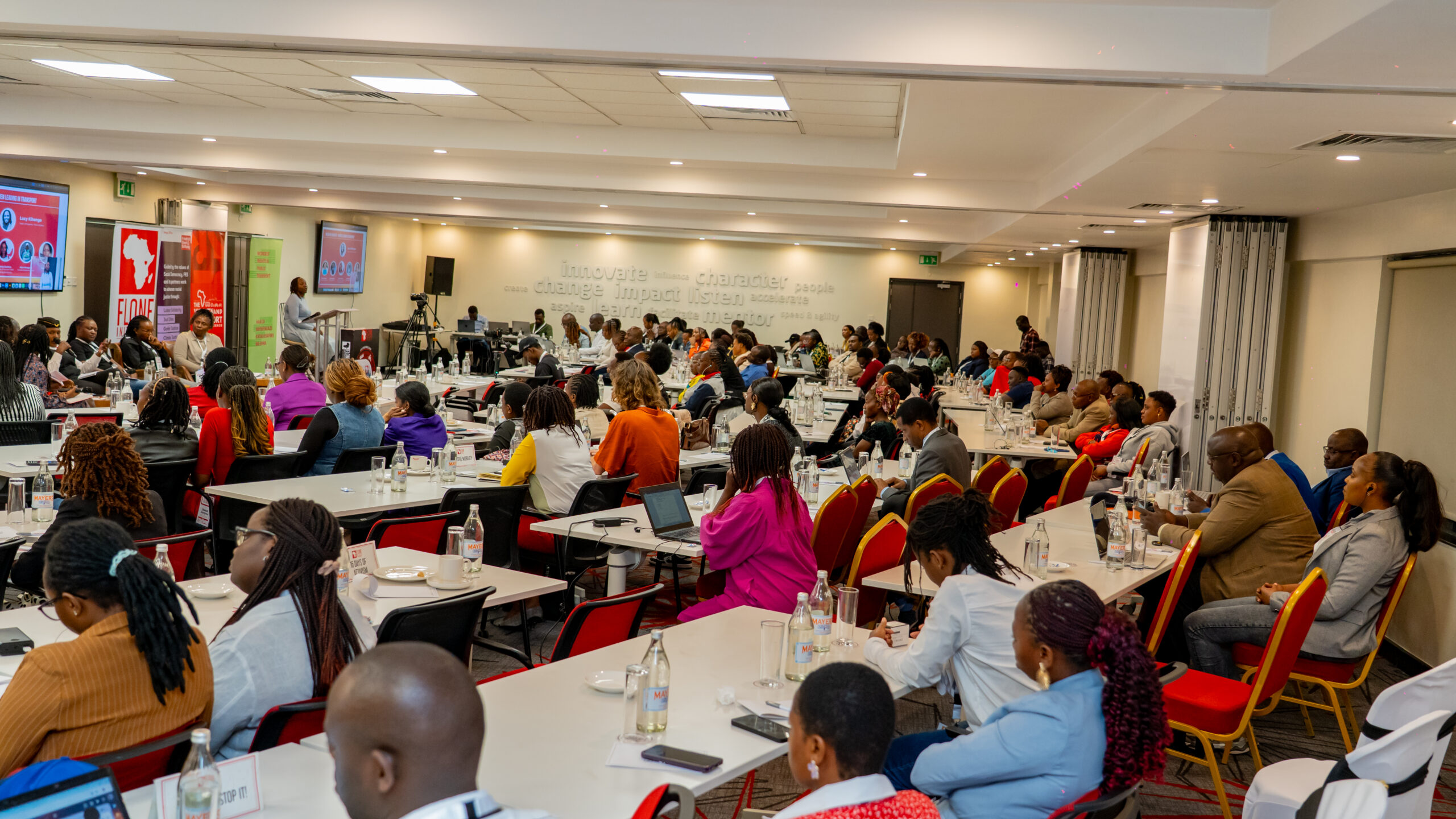
The 7th edition of the Women & Transport Africa (WTA) Conference took place in Nairobi from December 3 - 5, 2025, hosted by Flone Initiative.
Over three days, 260 delegates from 9 countries: policymakers, researchers, development partners, and grassroots advocates, came together under the theme "Leading the Way, Mobility Re-imagined" to confront the systemic barriers still standing in the way of safe, inclusive, and climate-resilient transport across Africa.
Here's what unfolded across the three-day journey.
Day 1: Setting the Pace, Championing Active Mobility
The conference opened with a reminder that mobility is not a convenience, it is a right. In their keynotes, Hon. Rehema Jaldesa (NGEC) and Hon. Martha Karua framed transport as the thread connecting people to education, healthcare, and economic opportunity. That framing carried urgency: nearly half of female commuters experience harassment on public transport, a reality that demands enforceable safety policy, not just good intention
The day's second thread came from UNEP, which presented the Pan-African Action Plan for Active Mobility (PAAPAM), grounding the conversation in a striking imbalance: over 1 billion Africans walk or cycle daily, and walking alone accounts for 40 - 70% of urban trips, yet active mobility receives just 1-2% of transport budgets. The panel's call to action was direct: ring-fenced infrastructure funding, community-led audits, and design standards built specifically for women, children, and persons with disabilities.
Day 2: Deep Dives in E-Mobility, Safety, and Research
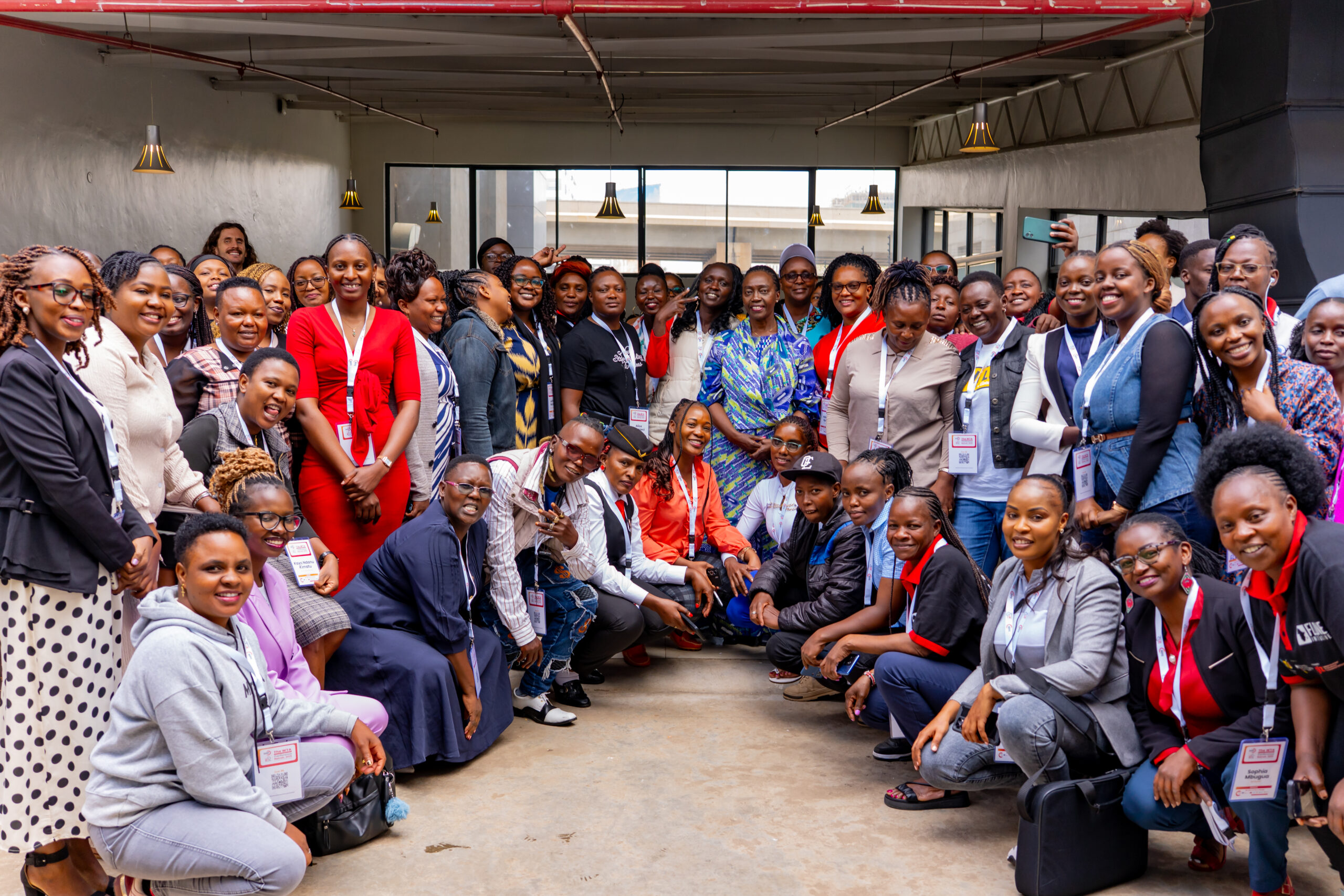
Day two turned to Africa's e-mobility transition. UNEP, joined by industry voices from Ampersand, Ewaka, E-bee, and BasiGo, unpacked where the opportunity lies, and where it's being missed. Closing the gap means confronting physical equipment barriers, high financing costs, and gender stereotypes head-on, through targeted access to capital, inclusive vehicle design, and safety features like CCTV and route tracking.
Regional voices brought the conversation closer to the ground. Tanzania's Pink Bajaji Initiative, Mozambique's Safe System Approach under Climate Pressure, and the International Transport Workers' Federation (ITF) each made the case for ratifying ILO Convention 190 to end workplace violence, and for building cross-border solidarity among women transport workers.
Day 3: Strategic Planning and Industry Site Visits
The final day shifted from reflection to action. Stakeholders in the Women in E-Mobility Network worked through participatory SWOT and PESTEL analyses to shape a 2026–2031 Strategic Plan, centred on skills development, mentorship, and GESI (Gender Equality and Social Inclusion) policy advocacy.
Delegates then took the conversation off the conference floor, visiting two of Nairobi's e-mobility pioneers.
At E-Bee
At E-Bee, delegates saw an electric bike fleet built for independent riders,90 - 80 km range, 1,000 Wh batteries, pedal-assist optional, supported by delivery contracts, shift rotations, and safety protocols covering helmets, jackets, masks, and reflectors. E-Bee's model goes beyond the ride itself, offering free training classes, community clubs, "happy hour" rides, and accommodations for persons with disabilities. Delegates left with clear recommendations for the sector: expand charging infrastructure, strengthen police support, adopt digital battery tracking, and grow branch presence beyond Nairobi.
At BasiGo
At BasiGo, the focus shifted to electric public transport at scale - buses seating 24-36 passengers, with 14-15 seater options for special routes, locally assembled and charged overnight. Delegates learned how BasiGo's "Pay As You Drive" SACCO partnerships keep operating costs low, while ergonomic improvements, planned wheelchair-accessible buses, and digital tracking of batteries and routes point to where the technology is heading. Staff certification, inclusion initiatives for disabled passengers and women riders, and safety awareness campaigns stood out as capacity-building efforts worth replicating. Delegates also heard candidly about the challenges: infrastructure gaps, energy reliability, and policy gaps around standing passengers, accessibility, and battery disposal, alongside the opportunities to scale long-distance routes and deepen SACCO and government collaboration.
Seeing these operations up close mattered. Site visits gave delegates a direct, tangible view of what gender-responsive e-mobility looks like when it moves from policy paper to daily operatioN, grounding the conference's strategic conversations in real fleets, real riders, and real trade-offs. For many delegates, it was the first time hearing how inclusive design, safety protocols, and community programming show up in practice, not just in principle, turning abstract commitments into ideas they could carry back and adapt within their own countries and organisations.
The Pathways to Transformation
Conference outcomes converged on seven priority action areas for building a socially just public transport ecosystem across Africa: